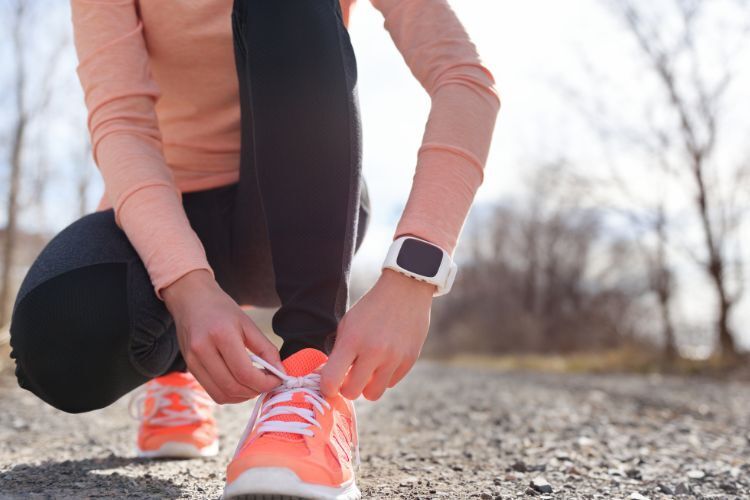
Runner's knee is one of the most frustrating injuries a runner can face. You're finally in a good groove with your training, putting in the kilometres, and then that familiar ache around the front of your knee starts creeping in. Whether you're training for a race or just enjoy running through the parks around Halifax, runner's knee can sideline you fast if you don't address it the right way.
The good news? Chiropractic care is one of the most effective approaches for runner's knee treatment, and it targets the root cause rather than just masking the pain.
What Exactly Is Runner's Knee?
Runner's knee, clinically known as patellofemoral pain syndrome (PFPS), refers to pain around or behind the kneecap (patella). It develops when the kneecap doesn't track properly over the femur during movement, creating friction and irritation in the surrounding tissue.
Despite the name, runner's knee doesn't only affect runners. Cyclists, hikers, and anyone who spends a lot of time going up and down stairs can develop it. That said, runners are particularly vulnerable because of the repetitive impact and loading that running places on the knee joint.
Common runner's knee symptoms include:
- A dull, aching pain around the front of the knee
- Pain that worsens going downstairs or after sitting for long periods
- A grinding or clicking sensation when bending the knee
- Swelling or tenderness around the kneecap
If any of this sounds familiar, it's worth getting a proper assessment before the problem gets worse.
What Causes Runner's Knee?
Understanding what causes runner's knee matters because treatment needs to address the underlying mechanics, not just the site of the pain.
Several factors commonly contribute to it. Weak hip and glute muscles are a major one. When the muscles around the hip can't properly stabilize the pelvis and femur during your stride, the knee absorbs extra stress. Tight quadriceps or IT band tissue can also pull the kneecap out of alignment. Overpronation (rolling inward at the foot and ankle) during the gait cycle is another common culprit, as is a sudden increase in training volume.
This is exactly why runner's knee recovery isn't as simple as resting and hoping for the best. If the biomechanical issue isn't corrected, the pain keeps coming back.
How Chiropractic Care Addresses Runner's Knee
A chiropractor takes a whole-body view of your movement and biomechanics. At Clayton Park Chiropractic Centre, the approach to runner's knee goes beyond the knee itself to figure out where the breakdown is actually occurring.
Gait and movement assessment is typically the starting point. A chiropractor will watch how you move, identifying any asymmetries or compensations in your stride that might be contributing to the problem. This gives a clear picture of why the knee is being overloaded.
Chiropractic adjustments to the knee, hip, or lower back can restore proper joint mechanics. When a joint isn't moving the way it should, surrounding muscles compensate, and that compensation often shows up as knee pain. Restoring proper alignment allows the kneecap to track correctly again.
Soft tissue therapy targets the muscles and fascia that are pulling the knee out of position. Tight quadriceps, hip flexors, and the IT band are common areas that need attention. Techniques like active release, myofascial release, and instrument-assisted soft tissue work can significantly reduce tension and improve tissue quality.
Therapeutic rehabilitation exercises form a core part of how to fix runner's knee over the long term. Strengthening the glutes, hips, and VMO (the teardrop-shaped muscle on the inner quad) gives the knee proper dynamic support during your runs. Your chiropractor can prescribe specific runner's knee exercises tailored to your movement deficits.
Runner's Knee Stretches and Home Care
Between appointments, there are runner's knee stretches and strategies that can support your recovery. Hip flexor stretches, quad stretches, and IT band foam rolling help reduce the tightness that pulls the kneecap out of alignment. Calf stretches and ankle mobility work are also worth including, especially if overpronation is part of the picture.
It's important not to just push through the pain and keep running at full volume. That doesn't mean you need to stop completely, but modifying intensity and distance while you're in active treatment makes a real difference to how quickly you recover. Your chiropractor can help you figure out what training load is appropriate while you heal.
If you're wondering about footwear or orthotics, that's another area where chiropractic guidance is useful. The right support underfoot can take significant stress off the knee, particularly if your foot mechanics are contributing to the problem.
Getting Back to Running in Halifax
Halifax has a fantastic running community, from the trails at Point Pleasant Park to the Rum Runners Trail and road races throughout the year. Runner's knee doesn't have to keep you off those routes for long when you address it properly.
The key is starting with a thorough assessment so the treatment actually fits your situation. If you've been dealing with knee pain and wondering whether chiropractic care is the right call, our chiropractor in Halifax page outlines exactly what to expect when you come in.
Runner's knee recovery time varies depending on severity and how long the issue has been brewing, but most people see meaningful improvement within a few weeks of targeted care. Catching it early and staying consistent with your rehab exercises makes a significant difference.
Ready to Run Pain-Free?
Runner's knee is a mechanical problem, and it responds well to mechanical solutions. Chiropractic care, combined with targeted strengthening and soft tissue work, is one of the most reliable paths back to pain-free running.
At Clayton Park Chiropractic Centre in Halifax, we work with runners at every level, from casual joggers to competitive athletes, to get to the bottom of what's driving knee pain and build a clear plan to fix it. If you're also dealing with pain elsewhere from your training, our sports injury chiropractic care approach addresses the full picture. We also offer support for related issues like lower back pain, hip pain, and custom orthotics if foot mechanics are part of your runner's knee story.
Don't let knee pain define your running season. Book an appointment with our team and let's get you back out there.
.jpg)